Why Horses?

Most people who interact with horses know that these animals have a calming presence. Our minds and bodies respond to them on a fundamental level, developing a deep and somewhat symbiotic relationship. This process is so intuitive that many of my clients describe it as an almost telepathic bond
Scientifically speaking, horses do invite a unique and profound connection, effortlessly responding to our body language and social cues. Indeed, horses possess an amazing capacity for remembering and analyzing social information. They are also quite sensitive to indications of fight, flight, and freeze. Due to these acute and powerful senses, working with horses requires us to drop down into the quiet places within us, to listen, and be heard.
In these and many other ways, horses are natural healers. Through simply being as they are, they invite us to be totally in the moment, develop consistent boundaries, and explore a deep and pure form of trust. They make us laugh, critically think, help us build confidence, and provide a sensory experience of learning.
As a clinician and a lover of horses, I personally believe that interacting with these sentient creatures has the capacity to heal even our deepest wounds.
The mission of this program is to share the healing power of horses in an inclusive and empowering framework. However, as most sessions are currently run with one provider at a time, I am not able to serve anyone under the age of ten. I am also (sadly) unable to provide adaptive riding accommodations (all riders must be able to balance and mount a horse independently). If you are unable to balance or mount a horse independently there are still options, please know that you are still able to participate with equine-assisted therapy without riding and can still experience this wonderful type of therapy.
All of my equine-based services are located in Lodi, California.
To learn more feel free to give me a call.
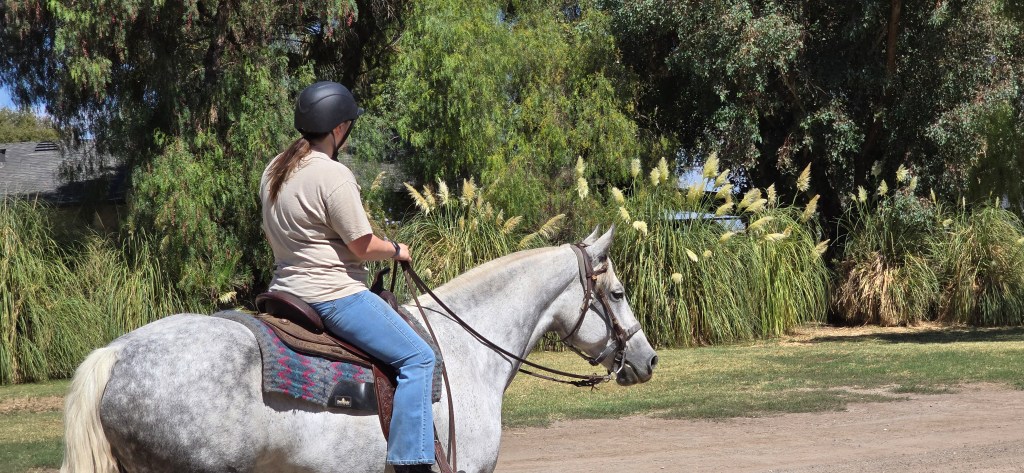
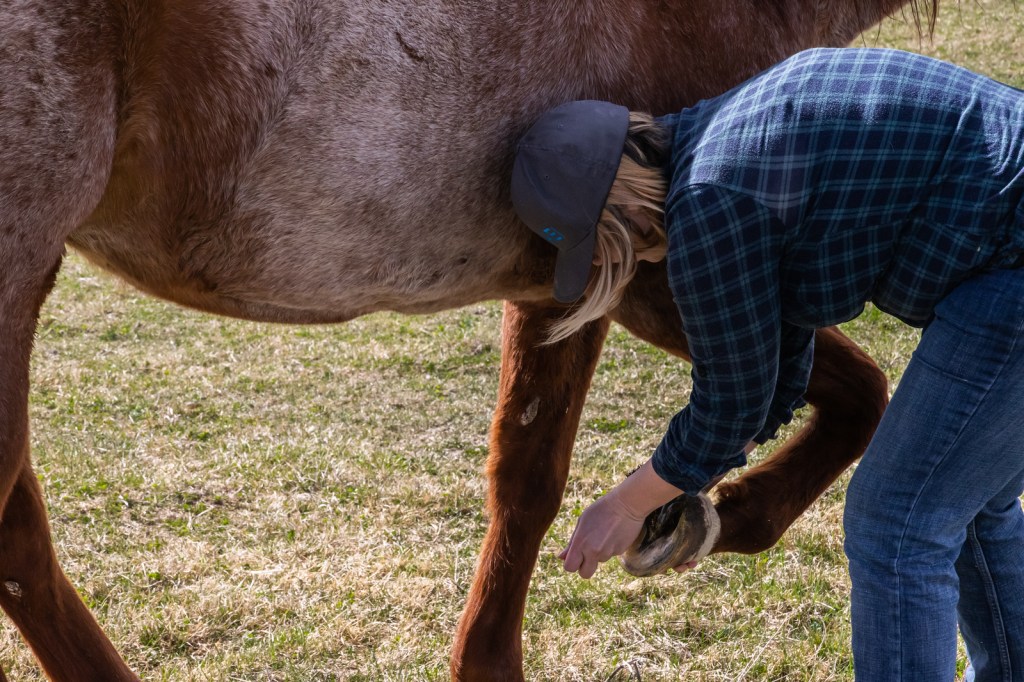
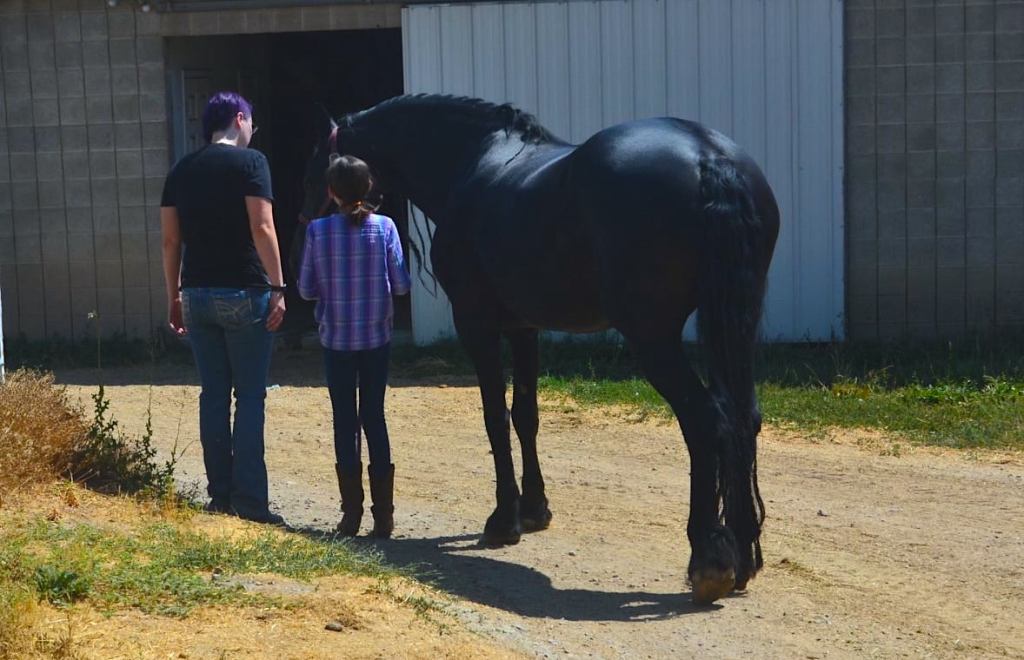
Equine-Assisted Services
Serving children ages 10 and up, teenagers, and adults.
Offering both general equine-assisted therapy and therapeutic horseback riding.
*I am often asked if I provide services to people with disabilities. Yes, I am happy to provide inclusive services. However, given that my program takes place outdoors and around large animals, and that I run my sessions without volunteers or assistants, this program may not be the best fit for every individual. Give me a call and we can discuss the strengths and limitations of my program. If I can’t help you, I will do my best to point you in the direction of a program that can.
To learn more about my clinical experience feel free to review my qualifications.
Equine-Assisted Therapy and Therapeutic Horseback Riding
Equine-Assisted therapy is a type of psychotherapy. It requires a treatment plan and session activities are based on personalized therapy goals.
This type of therapy emphasizes the participant’s relationship with both horse and therapist. It emphasizes personal empowerment, problem solving, trust, relationship building, and trauma-healing. It can teach many fundamental skills and regulates the autonomic nervous system. It incorporates elements of bi-lateral stimulation, metaphor and narrative therapies, and bridges the body and mind.
Equine-therapy may often include elements of horseback riding and horse management, though always in the framework of the client’s treatment goals.
Equine-Therapy Demos
This experience is ideal for clinicians who are curious about equine-assisted therapy and would like to learn more.
It includes a tour of the facility, introduction to the horses, experiential exercise demonstrating a typical equine-therapy activity, and a discussion of the different types and approaches of equine-therapy.
Call Now To Book Your Equine Encounter
Meet The Horses
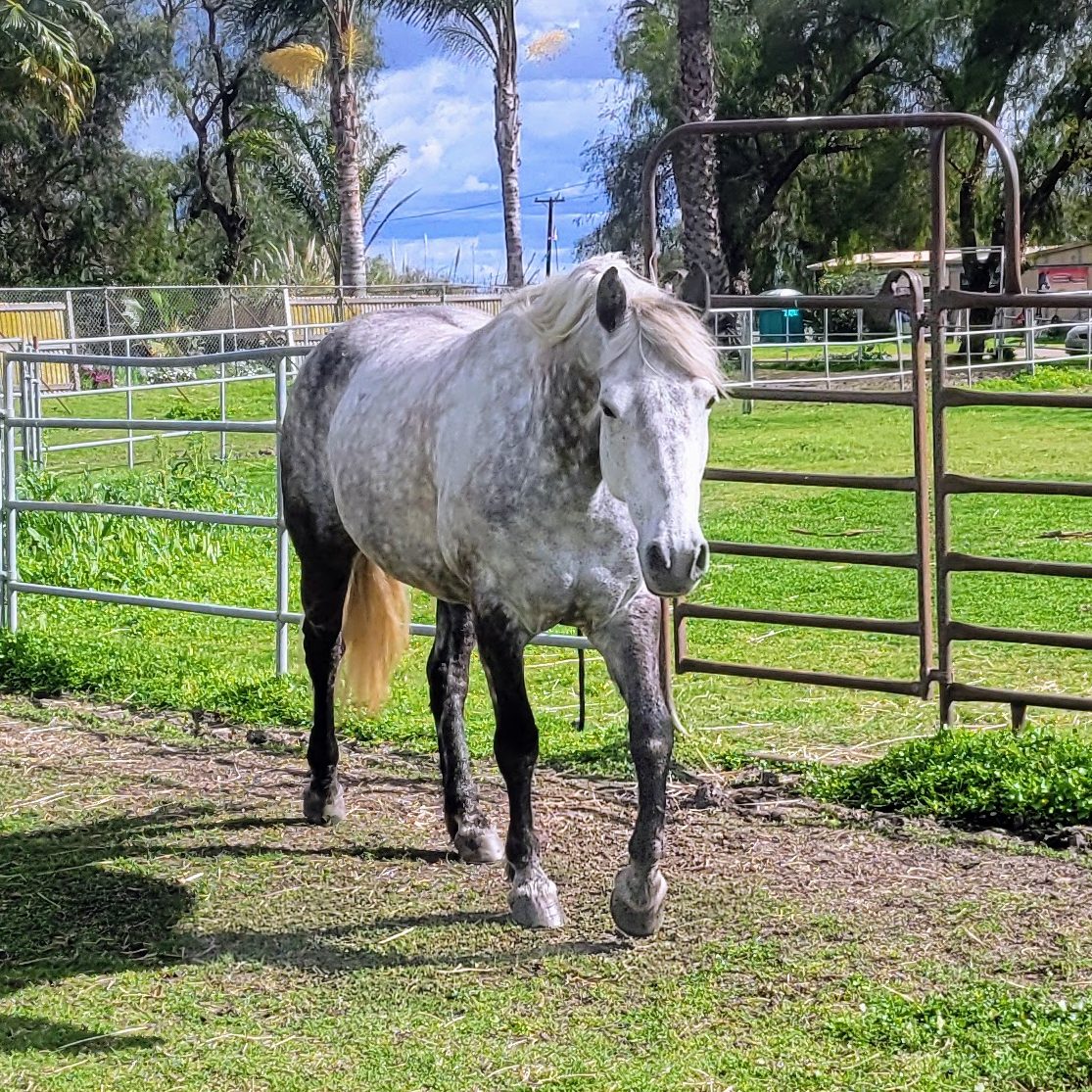
Freedom
Freedom is an eleven-year-old Appaloosa/Friesian cross. She is trained for western riding, and is very intelligent. She is curious, friendly, and has a mischievous sense of humor. She stands 16.3 hands tall, and tends to teach her students about confidence and trust.

Rhed
Rhed is a twenty-six-year old Arabian/Saddle Bred cross. He prefers an English style pressure system and is safe for just about any rider. He loves his job and adores children. He stands 15.2 hands tall and frequently teaches his students about self-love and mental focus.
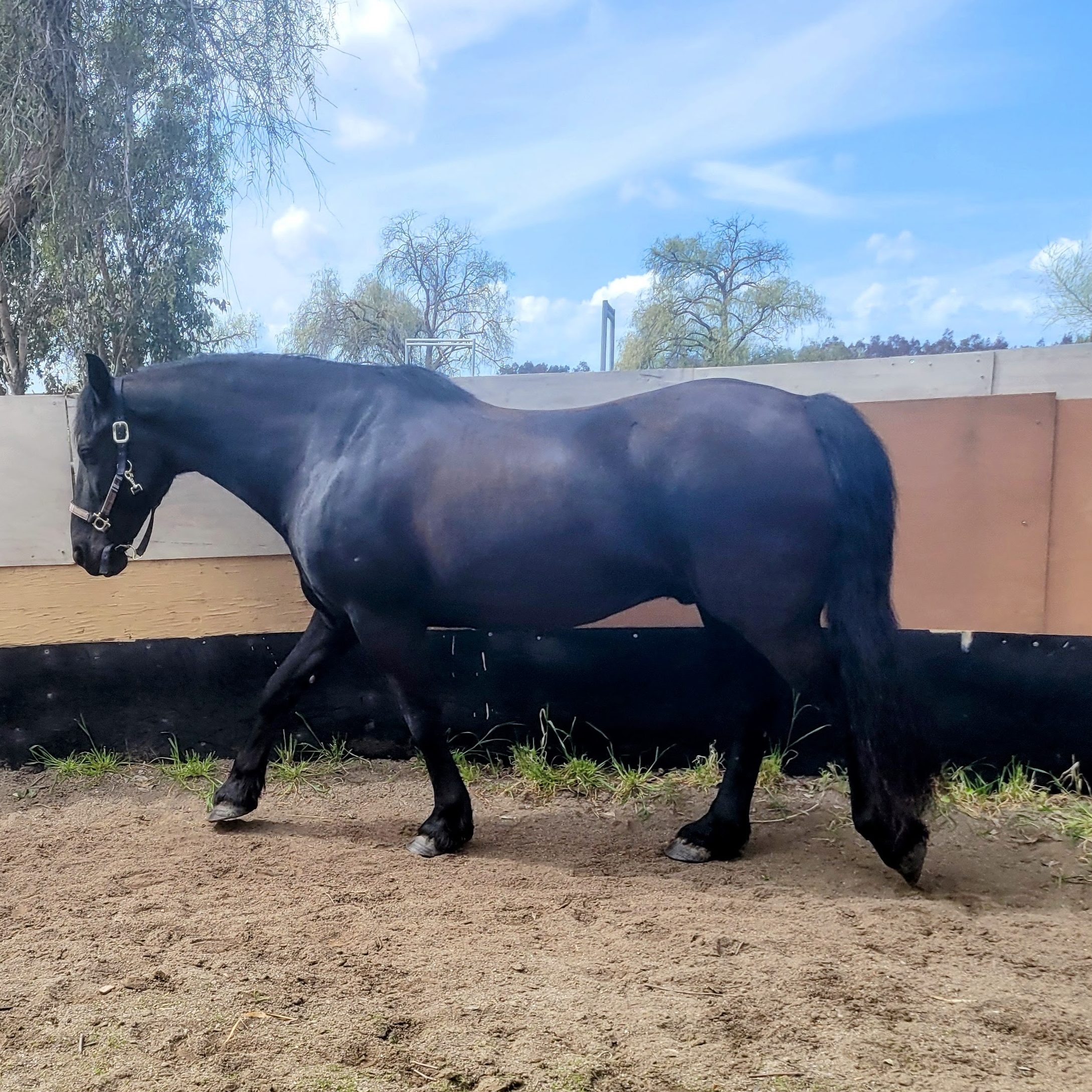
Atlas
Atlas is an twelve-year-old Friesian cross. He is a gentle soul and very kind hearted. He is a great fit for adult riders, or child tandem riders who would benefit from riding with an adult. He stands 16.3 hands tall, is mellow and sweet, and tends to teach his students about co-regulation and mindfulness.
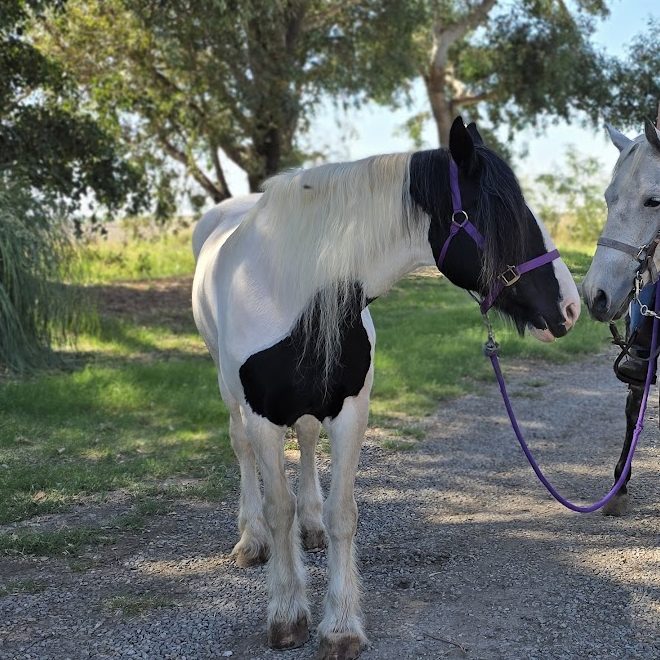
Ivy
Ivy is an nineteen-year-old gypsy vanner. She is trained for western riding, and is as sweet as they come. She loves being ridden, groomed, or to just spend time with her clients. She stands about 15.2 hands tall and often teaches her students about gentleness and kindness.
So What Is Equine-Therapy Exactly?
In simple terms, equine-therapy is highly specialized psychotherapy that includes working with a horse. During sessions, therapists provide guidance to help clients draw on powerful and healing parallels, metaphors, and participate in active learning and processing.
What we do in therapy will depend on each person’s individual goals. Here are some examples of some equine therapy techniques that I might use in session (ranging from brief and in the moment interactions, to more complex activities):
- Simply being with a horse and noticing the joy, quiet, or peace of the moment. This might be healing for many people recovering from trauma, stress, anxiety, and depression – among others. This is often noted as a favorite part of sessions, despite its simplicity.
- Practicing the Observe, Describe, and Participate skills to explore a horse’s behavior. We might then explore how our narratives and story lines can impact our experiences of a moment or attitudes about a person/horse. We might learn how to develop flexible thinking as we learn more about horses, and compare our initial assumptions to our increased knowledge.
- Processing trauma on the back of the horse utilizing bi-lateral stimulation. Bi-lateral stimulation, grounding, as well as the movement of the horse are known to activate the vagus nerve. Doing so during trauma processing/calming visualizations can help heal the traumatic connections within the nervous system.
- Practicing setting and achieving goals by working to lead horses over posts and past distractions. We may also introduce skills and skill concepts which can help the horse/participant be more successful in this activity. This can help build a sense of empowerment, efficacy, and build tangible frameworks for creating change.
- Introducing a horse to a new object, and thus learning what is and what is not effective in helping that horse work through this uncertain situation. We could then relate this to our own fears, and see if there are parallels with how to help our own system adjust to difficult situations and anxieties.
These are just some of the many approaches which my clients have highlighted as powerful, helpful, and transformative. My job is to select the right activity and horse to help you achieve your goals, as well as to facilitate safe and effective interactions throughout this unique experience. I also provide containment, processing, skills, psycho-education, reflections and insights, healthy relationship modeling, and otherwise fulfill the role of therapist.

Who benefits from Equine-Assisted Therapy?
Equine-Assisted therapy is active, sensory, and movement-based learning, which can be beneficial to many people:
- People with trauma: veterans, survivors of domestic violence, survivors of abuse, survivors of immigration trauma, those facing end of life issues, people struggling with grief, anxiety, depression, or difficult transitions, and more.
- Kids and teens are welcome, especially those who would prefer a fun, engaging, and non-threatening approach to therapy.
- Neurodivergent individuals. (Participants who wish to ride should be able to balance independently and follow directions which are given verbally from a distance of 5-15 feet away.)
- People already in therapy who would like to enhance their current therapeutic experiences. (I will collaborate with your current therapist.)
- People who learn better through doing rather than sitting and talking. (This is not to undermine talk therapy, simply to acknowledge that it is not the primary learning modality for many people.)
Equine-Assisted therapy actively teaches us how to use our bodies, thoughts, and intentions to create healthy relationships, manage our emotions, and develop an orientation of compassion and effective problem solving. Give me a call to learn more (209) 200-8611.
Of course, equine therapy isn’t the only option available in my program. If you’d like to start with horseback riding or the skills course, that’s totally fair. I’m happy to facilitate the right experience for you as an individual.
The Relationship
My horses are my family, friends, and partners. Knowing them inside and out allows me to communicate with them through deep respect, employing their natural abilities and inherent insight.
During therapy sessions, my horses are granted a great degree of freedom. They are not forced to engage in any specific activity and are treated fairly and gently. They are not tools, toys, or props, but wise and valuable participants.
When training with me between sessions, my horses and I work hard to deepen our relationship and nurture an effective working dynamic.
My horses receive the best care available, both medically, psychologically, and day to day. I ensure that all participants, including the horses, are as safe as possible and treated with compassion.
Curious about the science behind equine-assisted therapy?
There’s a lot of emerging and established data that indicates Equine-Assisted therapy is as effective as other types of therapy, if not more effective for some people. It seems to boost therapeutic and wellness gains across the board.
However, as with many types of therapy, we need to acknowledge that this science is still fairly new. And we’re still learning about the best ways to incorporate horses into therapy, the best ways to support people in their healing, and how to tackle the major barriers that keep people stuck in mental illness.
I work hard to stay aware of research and incorporate best practices into my program. By remaining knowledgeable of many kinds of therapy and the associated research – I can deliver a unique, qualified, and empirically supported care.
If you’d like to learn more about equine-assisted therapy or why I incorporate it into my practice, these resources and articles are a great place to start.
 Mary Coombs, LCSW