Home – Clinical Director – Equine Therapy – Play and Creative Therapies – Pricing and Insurance – Groups – Contact – Store
The Power of Play and Creativity
Play-Based Therapy, Art-Informed Therapy, and Creative Counseling
Play Therapy For Kids
Play-Based Therapy helps children express emotions, process experiences, and build coping skills in the language they know best: play. Many children struggle to explain anxiety, trauma, grief, anger, ADHD, autism-related stress, family changes, or social difficulties with words alone. Through therapeutic activities, children can safely communicate feelings, practice problem-solving, and develop emotional regulation in a supportive environment.
Creative Therapies for Teens and Adults
Play is not just for young children. While play therapy is highly effective for children, many teens and adults also benefit from creative and expressive therapy approaches that go beyond traditional talk therapy. Art, games, puzzles, movement, storytelling, and hands-on activities can help people of all ages feel more relaxed, emotionally safe, and able to process difficult experiences in a natural way.

What Is Child-Centered Play Therapy?
Expressive and play-based therapies are a form of child therapy that uses play and creativity as a way for children to communicate, heal, and grow. Because children often do not yet have the language to fully describe complex emotions, play therapy allows them to process experiences naturally and safely.
In child-centered therapy, the therapist creates a warm and supportive environment where children can explore emotions, practice new skills, and work through challenges at their own pace. For children experiencing anxiety, trauma, behavioral concerns, school stress, emotional dysregulation, or family transitions, play-based therapy can provide meaningful healing and growth.
Research shows that involving play in therapy
can support:
Emotional regulation
Trauma recovery
Anxiety reduction
Behavioral improvement
Social skill development
Parent-child attachment
Confidence and resilience

Our therapists integrate developmentally appropriate play-based interventions tailored to each child’s unique needs, personality, and strengths.
Creative Therapy for Teens and Adults
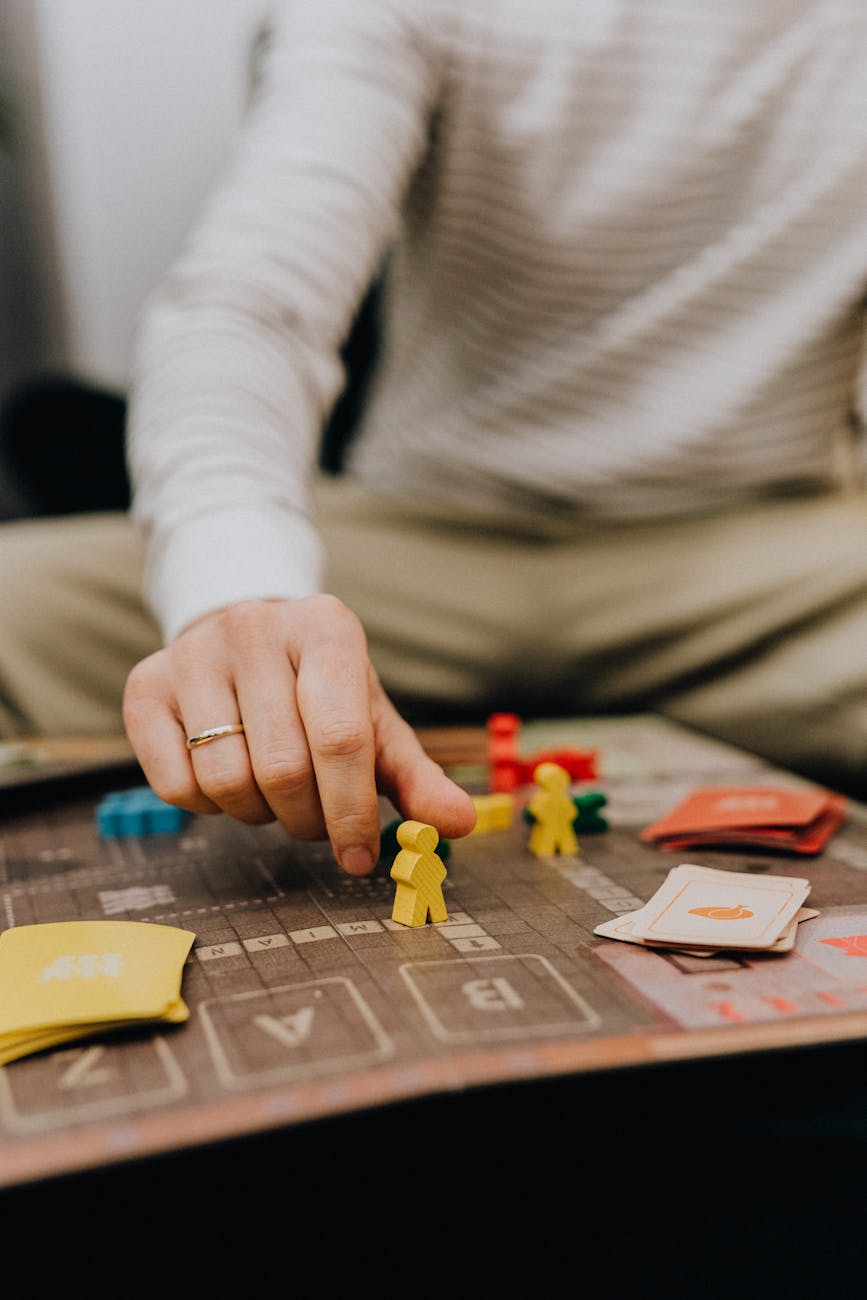


Many teens and adults find that creative therapy approaches allow them to express thoughts and emotions that feel difficult to put into words. Activities like art, puzzles, games, movement, writing or acting out stories and poems, and hands-on therapeutic exercises can support emotional processing while helping clients feel grounded and engaged during sessions.
Creative and experiential therapy approaches may be especially helpful for: anxiety and chronic stress, trauma and PTSD, neurodivergent clients, emotional overwhelm or burnout, difficulty expressing emotions verbally, perfectionism or overthinking, depression and disconnection, relationship challenges.
Therapy does not always have to look like sitting across from someone and talking for an hour. Sometimes healing happens through creativity, movement, curiosity, play, and connection.
Our approach to play-based and creative approaches
Our therapists provide compassionate, relationship-based therapy that honors each person’s unique personality, developmental needs, and nervous system. We incorporate somatic and sensory-informed interventions, creative expression, movement-based activities, and attachment-focused care to support healing and growth.
Our therapists may incorporate:
Play therapy techniques
Art and creative expression
Therapeutic games
Puzzles and problem-solving activities
Sand tray explorations
Sensory and movement-based interventions
Mindfulness and grounding activities
Storytelling and imaginative exploration
We work collaboratively with parents and caregivers whenever appropriate, helping families better understand our client’s emotional world and build supportive strategies at home.
Every one deserves a space where they can feel safe enough to play, express themselves, and heal.
Contact Us
We will respond to emails within 24 hours or during the next business day.


maryc@mdofficemail.com
You may call my confidential phone line at (209) 200-8611. (Coaching phone calls available for established clients – dependent on therapist availability.)
If this is an emergency please call 911 or go to your nearest emergency room.
You may also call 988 for emergencies related to suicidal thoughts or urges.
Fax: (209) 642-4566

